



Keyword: dental crowns panama city fl
Meta Title: How Do You Know If a Tooth Needs a Crown or Just a Filling? | Lynn Haven Family Dentistry
Meta Description: Not every damaged tooth needs a crown, but some definitely do. Learn the difference and find expert dental crowns in Panama City, FL. Book your visit today!
How Do You Know If a Tooth Needs a Crown or Just a Filling?
One of the most common questions patients have after a dental exam is why one tooth needs a crown while another similar one only needs a filling. The answer comes down to how much of the original tooth structure remains and how much stress that tooth will face during everyday use.
Understanding the difference between these two restorations helps patients feel more confident about treatment decisions, and knowing when to seek dental crowns in Panama City, FL can prevent a manageable problem from becoming a much larger one.
What Is the Core Difference Between a Filling and a Crown?
What a Filling Does
A dental filling restores a tooth by filling in the area where decay has been removed, leaving most of the original tooth structure intact and functional. Fillings work well when the damage is limited and the remaining tooth walls are strong enough to support the material without risk of cracking under pressure.
What a Crown Does
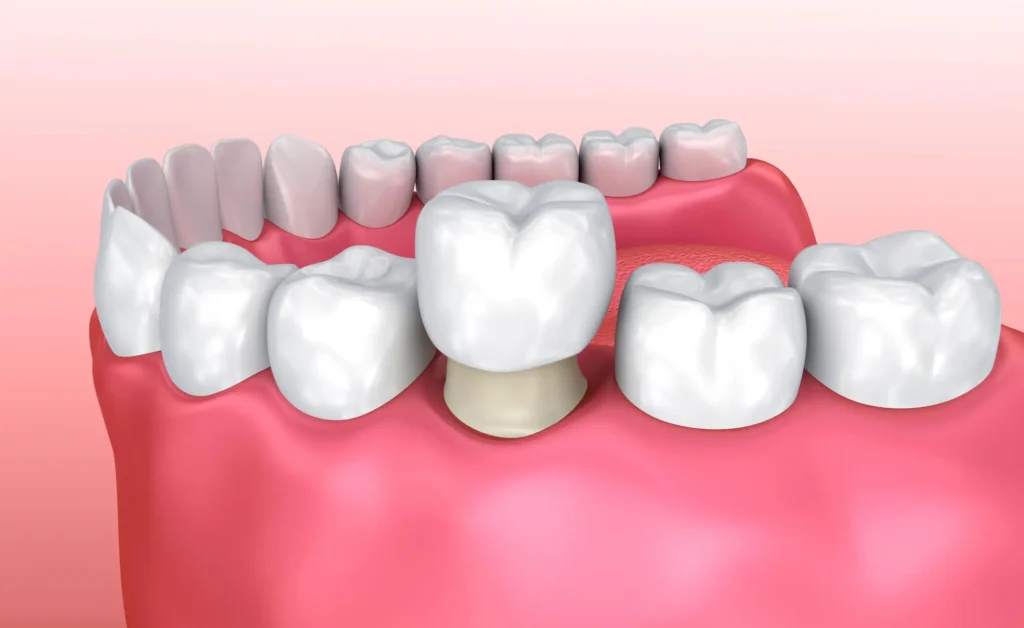
A dental crown is a full cap that covers the entire visible portion of the tooth, replacing rather than supplementing the outer structure. Crowns are used when the tooth has lost too much natural structure to hold a filling reliably, or when the remaining walls are too thin or fragile to withstand chewing forces on their own.
When Is a Filling Enough?
Small to Moderate Cavities
When decay is caught early and affects a limited portion of the tooth, a composite or amalgam filling is typically sufficient. Fillings are most effective when more than half of the natural tooth structure remains intact after the decayed material is removed.
Minor Chips or Surface Cracks
Small chips along the edge of a tooth or hairline surface cracks that do not extend into the deeper layers can often be addressed with bonding or a small filling. These repairs restore appearance and function without requiring the more extensive preparation that a crown involves.
When Does a Tooth Actually Need a Crown?
Large or Recurrent Decay
When a cavity is large, has returned around an old filling, or has been present long enough to weaken the surrounding walls, a filling alone may not provide adequate support. Placing a crown over a severely weakened tooth prevents the remaining structure from fracturing under normal biting pressure, which would require more complex treatment.
After a Root Canal
A tooth that has undergone root canal treatment loses the internal support provided by living tissue, making it significantly more brittle than before. A crown is almost always recommended after a root canal to protect the tooth from fracturing and to restore its ability to function normally over the long term.
Cracked Tooth Syndrome
A crack that runs vertically through the tooth, causes sharp pain when biting, or has extended below the gumline typically cannot be stabilized with a filling. A crown holds the tooth together by encircling it completely, preventing the crack from spreading further with every bite.
Signs That Usually Point to a Crown
The following situations commonly indicate that a crown is the more appropriate restoration:
- More than half of the tooth’s natural structure has been lost to decay or fracture
- An existing large filling is failing or the tooth around it is cracking
- The tooth has recently undergone root canal therapy
- Pain occurs specifically when biting down, suggesting a crack
- The tooth is visibly misshapen or severely worn down from grinding

Get Expert Dental Crowns in Panama City, FL
At Lynn Haven Family Dentistry, Dr. Derek Wall takes a conservative approach to every restorative decision, recommending a crown only when the tooth genuinely requires it and preserving as much natural structure as possible when a filling will do the job. Every treatment recommendation is explained clearly so patients understand exactly why one option is chosen over another.
Schedule your visit today to find out which restorative solution fits your tooth and your long-term oral health goals.